Who won eXTREMESLAND 2026: Central Asia?
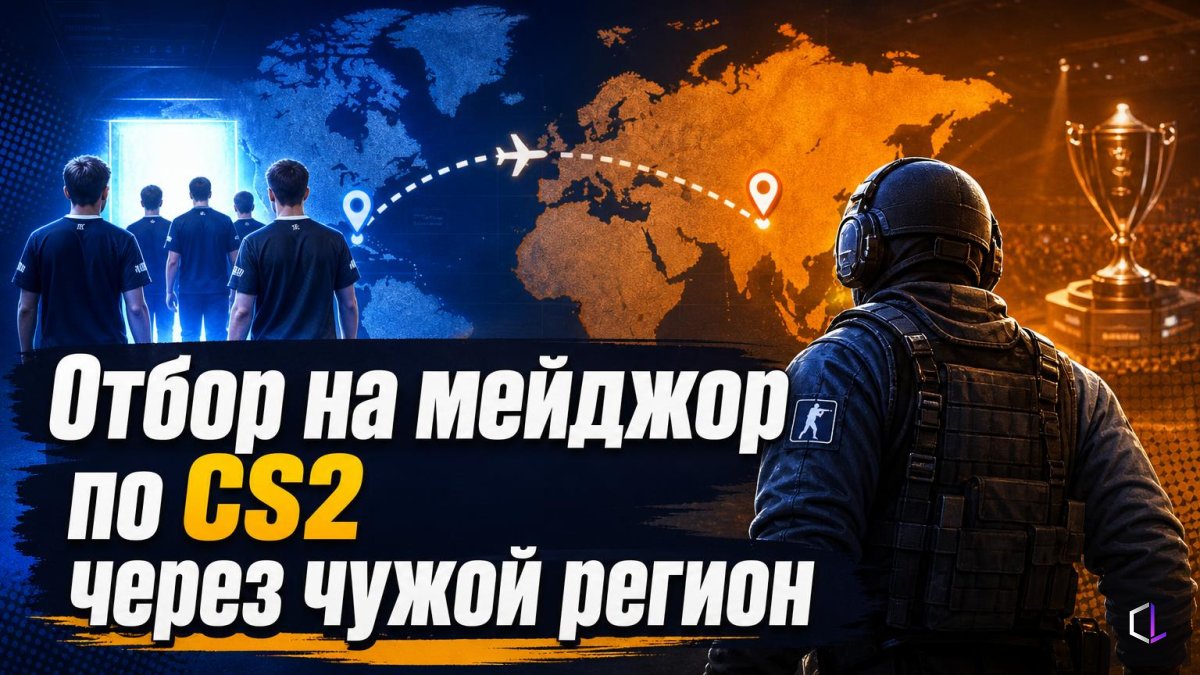
The team 6yuBoJIbI. This is a win in a regional qualifier, and it gives the team a direct berth at the series' main tournament, eXTREMESLAND 2026 in Shanghai. It will take place in December, and 6yuBoJIbI will go there as Central Asia's representative.
The roster with which the team took the title has five players: tasman, pump, ICY, nealan, and stratefly.
What a regional qualifier is and why it matters
Major tournaments rarely fill their lineups through invitations alone. Some of the spots are given to regional qualifiers: teams from one region play each other, and the winner gets a slot at the main event. This format is called a qualifier. For organizers, it's a way to show different esports scenes at the finals, not only the usual top teams.
For teams in the region, a qualifier is a rare chance to play on the international stage without a "name-based" invitation. That's why a win in Central Asia is valued not only as a title: it's a ticket to a place where opponents from other parts of the world compete.
Where the team is going and what to expect there
Shanghai is a city that regularly hosts major esports events, and the tournament itself will take place in December. For players from Central Asia, this means not only a new arena, but also a flight, a change of time zones, and a different preparation rhythm.
We are not naming the exact format of the main tournament, the opponents, or the bracket here: as of publication, only the location, the timing, and the fact that 6yuBoJIbI will represent its region are confirmed on this topic. Details will appear once the organizers publish the rules and the schedule.
How a regional tournament differs from an international one
The difference is felt in several things, and it's worth naming them in advance, because these are what most often surprise teams on their first appearance on a big stage:
- Unfamiliar opponents. In the region, teams play each other for years and know their opponents' habits. At an international tournament, you see some of the players for the first time, and you have to prepare from recordings.
- A different environment. The venue, noise, crowd, lighting, and delays between matches all affect concentration. Many teams rehearse playing in similar conditions beforehand.
- The cost of a mistake. In a qualifier, losing one map can be made up. At the main tournament, the schedule is tighter, and every weak round is more noticeable.
These are general patterns, not a forecast for a specific team: how exactly 6yuBoJIbI will handle them will only become clear at the tournament itself.
What this means for the region
Central Asia is not the most prominent region in international esports, so every appearance by a team from here on a major stage attracts attention. For fans, it's a chance to see how a local team looks next to opponents from other countries, and for the region's scene itself, it's a reason to show that the selection process works and leads to big tournaments.
It's worth watching how the team spends December: which matches it plays before departure, how it prepares, and how much time it spends studying its future opponents. These details usually explain a result better than the name of the tournament itself.