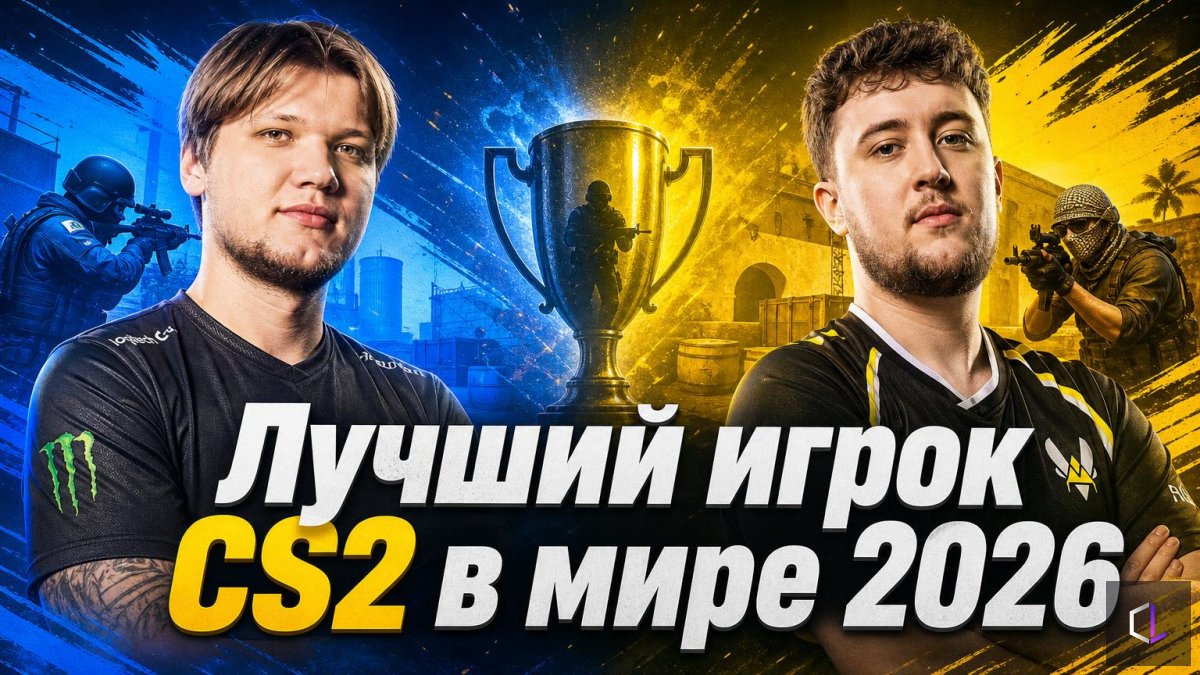
Two figures from recent tournaments are worth placing side by side. At TWC 2026, molodoy racked up about 203 kills, and 115 of them came with the AWP — roughly 55%. With the AK-47 he has 27 kills. ZywOo at EPL S24 has a more modest share of sniper kills: 39%, that is, 106 kills with the AWP. At first glance it's simply "one takes the sniper rifle more often." In reality, these numbers show two different ways to be a sniper in modern CS2.
What stands behind the share
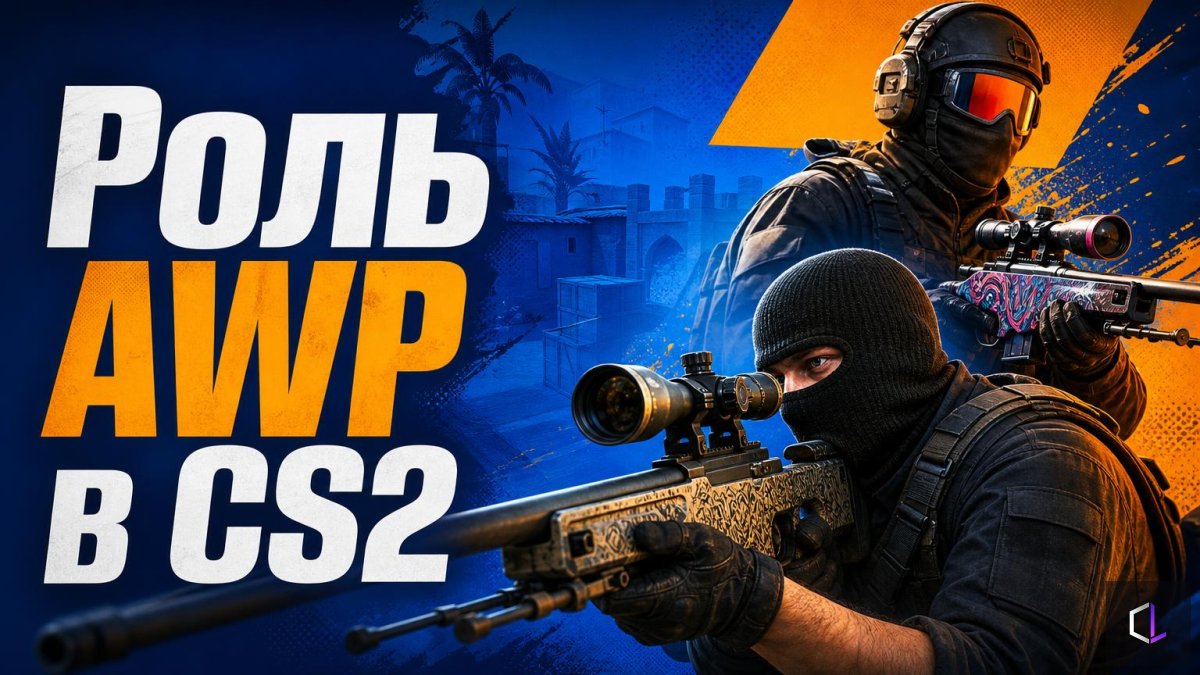
The share of kills with the AWP is not a measure of skill but a fingerprint of a role. A player who gets more than half of their kills with one weapon spends almost all of the round time with it in hand: the team builds positions, smokes and trades around them. Their task is to win long-range duels and open up space. Aim, that is, the precision of crosshair placement, matters here, but position and the decision of when to shoot and when to fall back matter no less.
A player with a share of around 39% gets more freedom. They take the AWP when the map and the economy justify it, and in the remaining rounds they play with a rifle and contribute to closer duels and to the tempo of the whole team. This is a hybrid role: the sniper rifle is a tool, not a profession.
Two approaches side by side
They have one thing in common: both players delivered results with the AWP at these tournaments, and neither would have to explain why a team needs a sniper rifle. The difference lies in how firmly the role is tied to the weapon.
- The specialist. Almost all working rounds are played with the AWP. Plus: practice hours are concentrated, the team knows what to expect, and set plays around their positions are rehearsed. Minus: when the opponent manages to shut down their angle or break their economy (the AWP is expensive, and a lost sniper rifle hits the round's budget), the team has few fallback options.
- The hybrid. The weapon changes depending on the situation. Plus: it's harder to prepare for, and the opponent doesn't know which picture to play against. Minus: both skills have to be kept sharp, and the AWP habit requires separate practice — it's a different shooting mechanic, with a delay between shots and the need to hit accurately on the first try.
It's important not to conclude from this that one approach is better. The figures compare different tournaments, different teams and different maps, and two numbers cannot be used to judge quality. All we can do is state that the players' roles are built differently, and that this is visible in the statistics.
How to read such figures yourself
When a tournament summary flashes "so many kills with the AWP," it's useful to ask three questions. First: how many rounds did the player actually hold the sniper rifle rather than a rifle — the share of kills alone won't tell you that. Second: how many of those kills were the first in the round, that is, opened the play, and how many were added to an already won situation. Third: what did the team do in the rounds where the AWP was absent because of the economy.
For a player of any level, a practical takeaway about self-observation follows from this. If you take the sniper rifle in ranked matches, review your demo not by the number of kills but by rounds: where you stood at the first shot, how many times you changed position after shooting, how often you gave up the weapon after losing a duel. The statistics will show the outcome, and the recording will show whether it was a system or luck.
The AWP remains the most recognizable weapon in CS2 precisely because a single decision — step out into the angle or wait — costs the team a round. And the greater the share of kills tied to one weapon, the more precisely you need to evaluate not the hits but the positions they were made from and at what price.