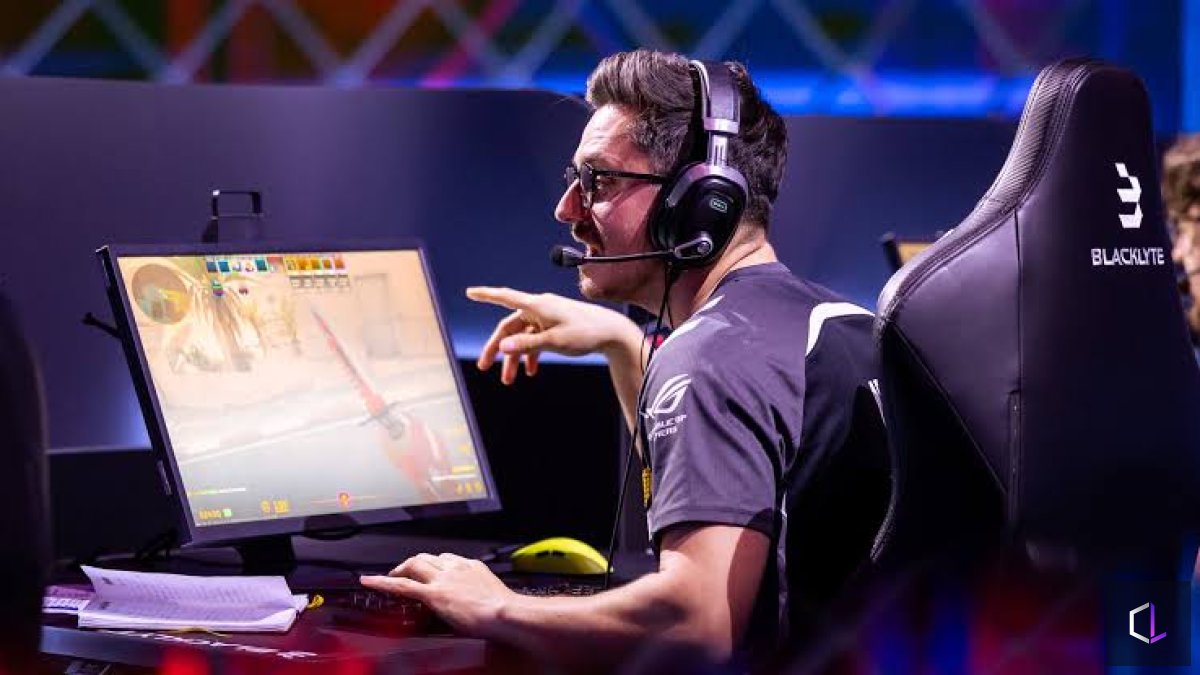
Player Substitution in CS2: Why apEX's Departure from Vitality Isn't a Force Majeure, But Part of the Profession
When Life Matters More Than the Tournament Bracket
The esports community has recently been discussing a situation that at first glance seems like a mundane detail, but in fact raises an important question about the profession of an esports player. Vitality's player apEX is about to have his first child, and if the birth starts earlier than the tournament schedule allows, he will have to urgently fly home. jL is ready to take his place, while the team's second player, Ax1Le, will finish the tournament for the roster during this time.
The story sounds touching, but behind it lies a much more serious topic: how ready tier-1 level teams are for a sudden roster change, and what this says about the professionalism of the entire structure.
Why This Isn't Force Majeure, But an Industry Norm
In classic sports, substituting a player during a tournament is commonplace: the substitutes' bench exists exactly for such cases. In esports, things are more complicated. A team isn't just five people with the same level of mechanical skill — it's a coherent system of communication, role distribution, and practiced combinations. Replacing one player isn't the same as putting a new footballer into a match.
That's exactly why top organizations keep reserve players who don't just "know how to shoot," but know the team's specific systems of play, its call-outs, and map strategies. If an organization can't quickly and painlessly cover a position in case of force majeure — whether it's an injury, personal circumstances, or a simple illness — this is a direct indicator of management immaturity.
What This Means for Future Professionals
For young players who are just building their careers in CS2, this story is an excellent lesson for the future. Professional esports isn't just about training in aim and tactics, but also about the ability to:
- be ready to play for a teammate if needed;
- study the roles of other players, rather than focusing only on one's own position;
- maintain team stability even when the roster changes;
- treat roster rotations as a working process, not a catastrophe.
Teams that build this kind of culture in advance — before a force majeure situation actually happens — turn out to be far more resilient over the long distance of a season. And for junior teams, this rule works exactly the same way as it does for top organizations like Vitality.
An Academy Perspective
We often see how parents and teenagers themselves perceive esports exclusively as an individual discipline: "the better I shoot, the more successful my career." But the story of apEX's possible substitution once again confirms: individual skill is just the entry ticket, while long-term success is built on team flexibility, interchangeability, and the ability to adapt to the situation here and now.
It's exactly these "small details" behind the scenes of tournaments that form the difference between a team that stays afloat under any circumstances and one that falls apart at the first unforeseen situation.


