A quiet piece of news that's actually big
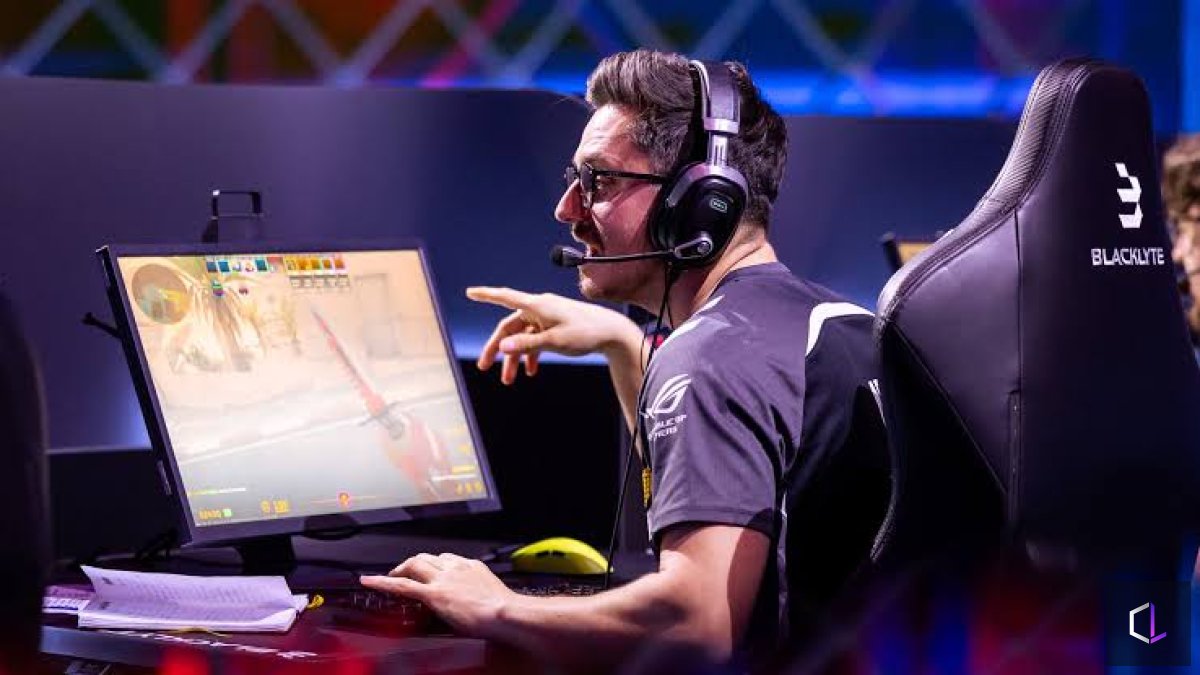
While some are discussing reshuffles in the top-20 team ranking, and others are arguing about which of the favorites will drop to the lower bracket, a story slipped through the news feed that deserves a separate conversation. Abai Khasenov, known as HObbit, has taken a spot in the PARIVISION lineup in place of slaxejezzz — and this is already the third time in ten years of his career that a Kazakhstani player has returned to the tier-1 CS scene. At 32, an age considered almost retirement age for esports.
Why does this matter not just to stats fans, but specifically to us — an academy that teaches children and teenagers?
What usually happens after falling from the top
The classic scenario in CS looks like this: a player joins a strong team, achieves results, then loses form or their spot in the lineup — and gradually disappears from the radar. Some move into streaming, others go to less prestigious teams, from which they almost never make it back to the top. This isn't laziness or lack of talent: the industry is tough, competition is enormous, and every year more talented 18-year-olds appear than there are open spots on top rosters.
Against this background, HObbit's career looks almost like an anomaly for the CIS region. He hasn't just stayed in the game for ten years — he has proven three times that he can return to the highest level after setbacks. This isn't luck or a one-off chance from a team willing to take a risk. This is systematic work on himself over a long period of time.
Why a comeback is harder than reaching the top for the first time
A young player breaking into tier-1 for the first time is often helped by freshness: they haven't yet faced the pressure of the big stage, they carry no weight of past failures, and opponents haven't had time to study them. For a player returning after a fall, it's the opposite:
- they need to physically and psychologically rebuild after a period in less prestigious teams;
- they have to prove to organizations and fans that the past decline is not the beginning of the end, but a temporary stage;
- competition with younger players only grows year by year;
- maintaining peak reaction time and mechanics at 30+ is objectively harder than at 20.
That's exactly why such stories are rare. And that's exactly why they're so valuable as an example for those who are just starting their path in esports.
What this should mean for those who dream of a career
Teenagers who see themselves in esports through bloggers and streams of top tournaments often think that the path to the top is a straight line: you train, you grow, you join the team of your dreams, and you stay there forever. Reality is far more complicated. Even professionals go through slumps, get benched, move to less visible teams. The difference between those who disappear and those who, like HObbit, come back — isn't the absence of failures, but how the player deals with them.
This concerns not only mechanical skills — aiming, nade throws, positioning. It concerns psychological resilience, the ability to analyze one's matches objectively rather than emotionally, and the willingness to prove one's level all over again, even when it seems the chance has been missed.
HObbit's story is a good reason to discuss this with a child who's into CS2 or Dota 2: success in esports isn't built from one lucky tournament run, but from the ability to endure downturns and come back stronger.