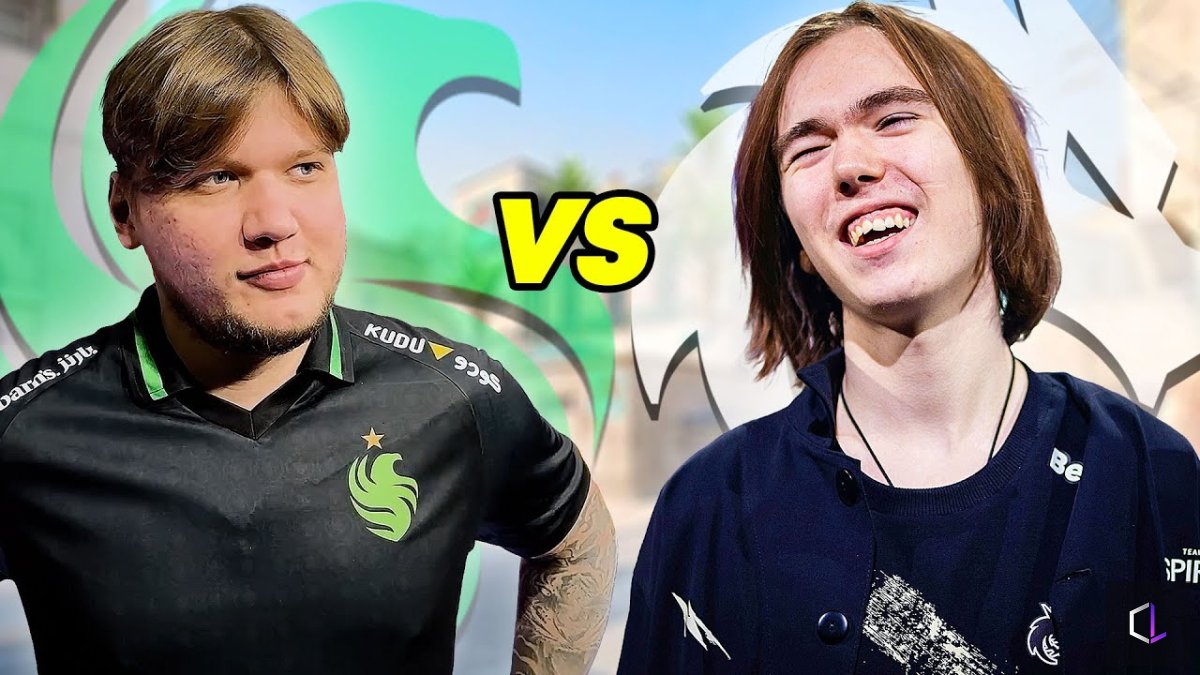
FACEIT ELO donk vs s1mple in CS2: what the real blowout says about skill growth
When FACEIT becomes an arena of legends
The other day, news spread across CS2 channels: donk beat s1mple on FACEIT so convincingly that the Ukrainian couldn't even come out with a positive kill-death ratio against the Russian. For many, this is just a meme and a reason for jokes in the comments, but for us as an academy, this is a great opportunity to talk about what the ELO number actually means and why a pub match (even at premium level) is far from the same thing as a match on a professional arena.
Why one match doesn't decide anything — but still matters
Let's start with the obvious: s1mple is a CS legend with years of experience at the highest level, while donk is a young phenomenon who is now genuinely competing for the title of the number one player on the planet. The blowout on FACEIT doesn't mean s1mple has suddenly forgotten how to play — it means donk is at the moment of his absolute peak form. Almost 5000 ELO isn't just a nice number for a screenshot, it's the result of hundreds of hours of conscious play, where every round is analyzed rather than played on autopilot.
This is exactly where the main lesson lies for those who are climbing the rating on FACEIT themselves. ELO is an aggregated metric that reacts to:
- consistency of results over a long distance, not one bright match;
- the ability to adapt to the opponent within the game;
- individual skill in duels, but always in connection with team decisions.
One blowout match, even against a star of s1mple's level, won't make a player a top player — just as one loss doesn't remove s1mple from the list of the greatest. But a series of such matches, confirmed by ELO numbers over months, is already an objective signal of form.
What's actually behind a nice K/D
Teenagers who follow such news often focus on one number — kills minus deaths. This is a trap. K/D is a consequence, not a cause of success. Behind the positive K/D of a top player, there is usually:
- the correct choice of position before contact with the opponent;
- round economy — understanding when to risk a weapon and when to play it safe;
- playing by sound and information from the team, not just personal aim.
donk doesn't win because his reaction is faster than everyone else's (although that's also true) — he wins the decisions even before he pulls the trigger. This is something that is trained systematically, not something that appears on its own after a thousand hours of random matches.
Why academy students should follow such stories
Legends being blown out by young players is not a reason for schadenfreude, but a good reason for reflection: skill in CS2 is not static, it either grows through conscious practice or freezes in place. For a teenager who is still forming their playing style, it's important to understand: the path from "just fragging in pubs" to a consistently high ELO goes through analyzing your own mistakes, not through waiting for a lucky day.
The story with donk and s1mple is a good example of the fact that even top professionals go through periods of decline and rise in form. What matters is not a single result, but the trajectory — that very ELO line, which either crawls upward month after month, or stands still because the player isn't working on their mistakes.


