When a star-studded lineup isn't enough
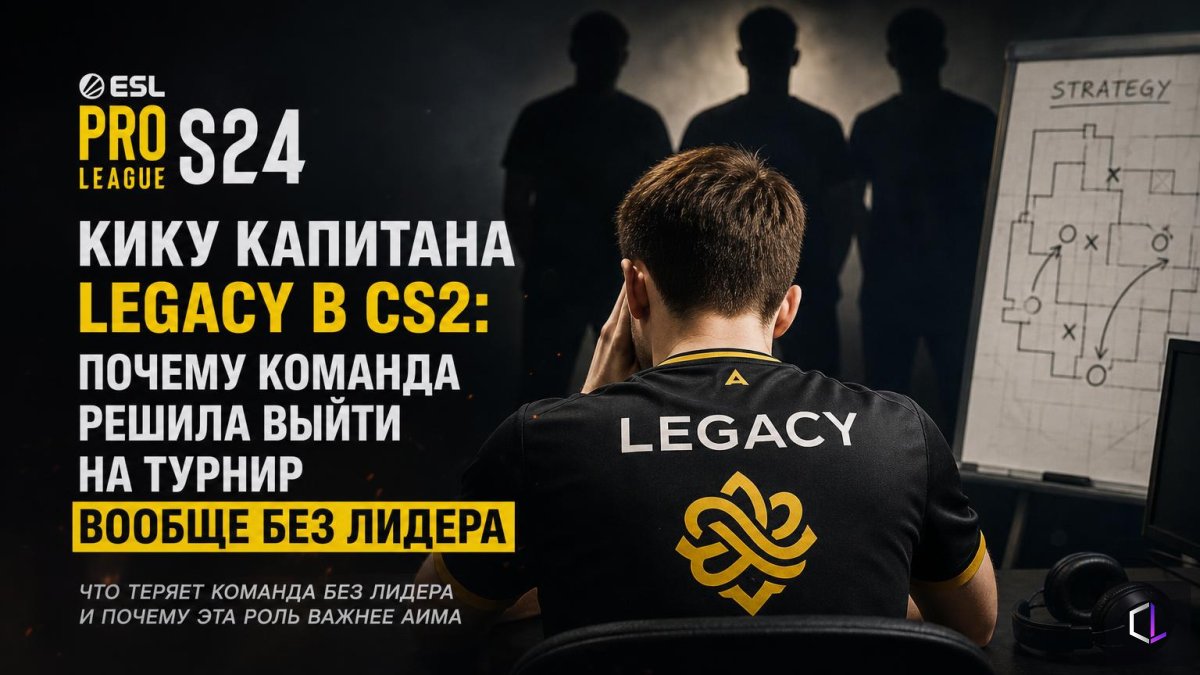
The story of the captain being kicked from the Falcons roster in CS2 is a great occasion to talk not about the transfer window, but about what actually decides the outcome of matches at the professional level. NiKo, one of the most decorated players on the scene, directly named the reason for the former captain's failure: he didn't listen to his teammates' opinions and didn't give the team enough flexibility in default round executions.
At first glance, this sounds abstract. But if you break it down into plain language, it comes down to a simple thing: the roster had enormous individual firepower, but there was no one to turn it on the right way. What was missing was a player willing to sacrifice himself — to run out first, check a position, draw the opponent's crosshair away, and pass information to the team. According to NiKo, this exact role was perfectly filled by scene veteran karrigan, known precisely for this kind of selfless playstyle.
Why it's important for teenagers to understand this
Many young players who are just getting into CS2 perceive esports as a competition of reaction speed and aim. The higher the FACEIT rating, the stronger the player — the logic seems clear enough. But the story of the captain's kick shows the opposite: even after gathering five mechanically strong players on one team, without proper role distribution and the ability to listen to each other, the result can be worse than that of a less star-studded but more cohesive lineup.
Flexibility in defaults isn't an abstract tactic reserved for pros. It's about whether the team is ready to change the plan mid-round if something goes wrong, and whether there's someone on the roster who takes on the dirty, unnoticed work for the sake of the overall win. In youth and teen esports, it looks the same way: someone has to be the first to take a risky position to give info to the support or the sniper, instead of only fragging out in the open.
What to do about this in training
Here are a few principles we cover in academy sessions that directly tie into this case:
- Role matters more than ego. Not everyone can be a fragger — and that's normal. A team needs players willing to trade themselves and give up information.
- Listening to the captain and teammates is a skill, not a weakness. The ability to adjust your play to fit the team's plan in time is often more valuable than a personal KDA.
- Flexibility matters more than memorized setups. A prepared default is the foundation, but it's those who can deviate from the plan when the situation changes who win.
- Sacrificial play is also a form of mastery. Trading yourself for a position or for information is sometimes worth more than holding onto your life until the last round.
A takeaway for parents and young players
The case of the captain being kicked from a top roster is a good reminder that esports at a serious level is much closer to team sports than it may seem from the outside. Mechanics and reaction time open the door to the profession, but what keeps you in it is team thinking, discipline, and the ability to work for the team, even when it doesn't bring personal frags. This is a skill worth instilling from the very first training sessions — that way, both rating growth and results in team tournaments come faster and more consistently.