Why one grenade can decide a round
If you watch ten top-level matches in a row, it's easy to spot a pattern: the player in the anchor position makes at least one precise throw per map at standard spots — under the stairs, in the far corner, behind the boxes. This isn't chance or a lucky hit. It's a drilled mechanic that appears in professional teams' training plans long before it becomes noticeable to the viewer.
A lineup isn't about chaos or throwing a grenade wherever it lands. It has specific purposes:
- Risk-free scouting — finding out whether an opponent is standing in a corner without exposing yourself to gunfire;
- Clearing before taking the site — especially relevant when a team is consolidating on B after a retake;
- Killing or smoking out a lurker — a solo player hiding away from the main action to strike from behind.
The difference between just throwing and throwing with purpose
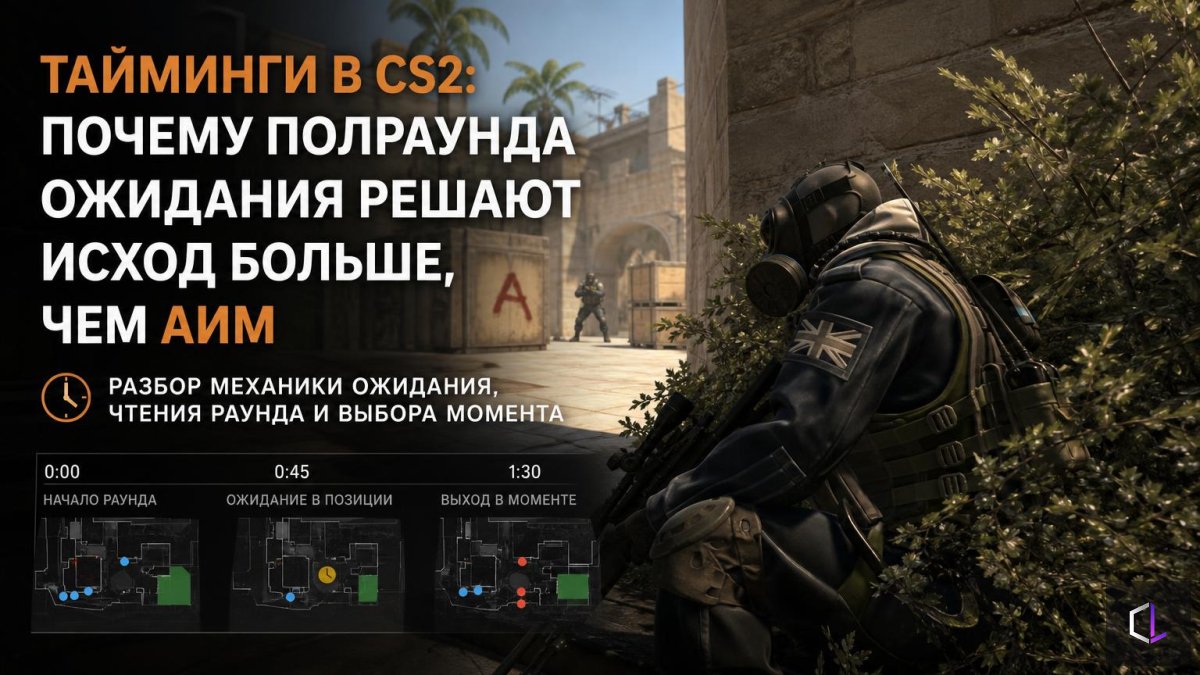
The key mistake beginners make is using grenades as a just in case consumable, without tying them to the round's economy or the opponent's actions. Professional anchors use lineups precisely: not against a rush (when every second counts and an extra click on a grenade could cost a life), but specifically in moments of consolidating a position — when the team has already taken control of the site and needs to make sure no one is hiding there.
This is a fundamental difference in mindset. The same arsenal — a smoke grenade, a molotov, a regular grenade — is used completely differently depending on the phase of the round. And learning this sense of timing is harder than learning the throw trajectory itself.
What this means for those learning to play
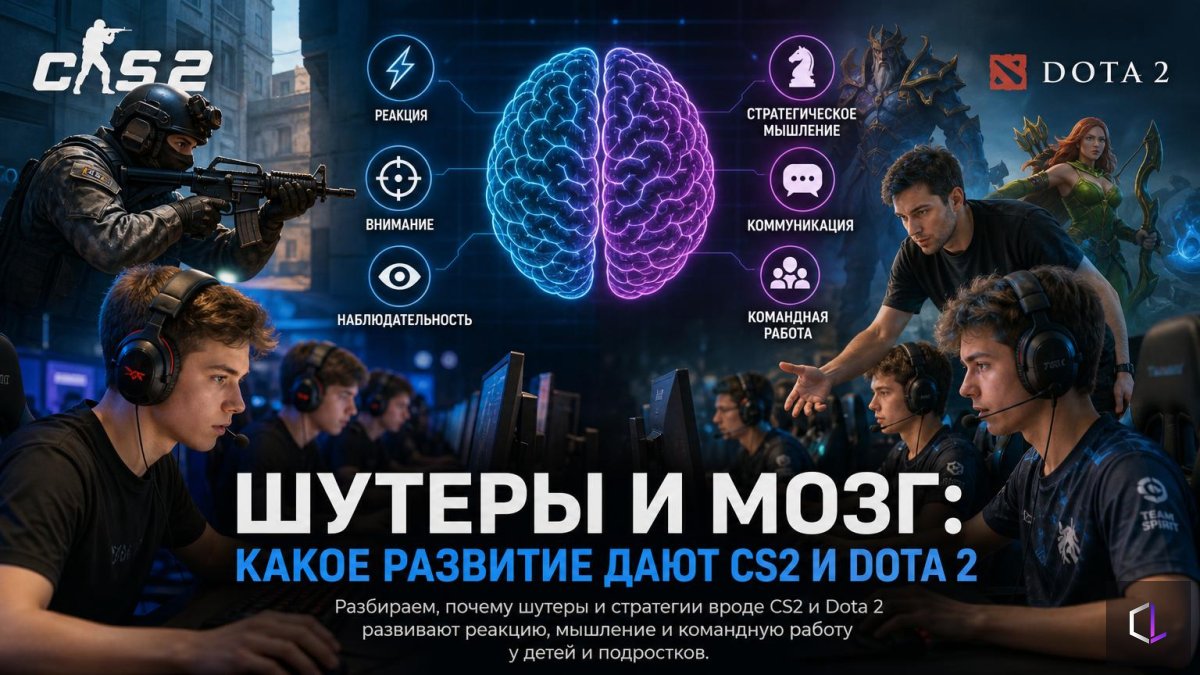
Many teenagers starting their journey in CS2 focus exclusively on aim — believing that if they shoot accurately, everything else will fall into place. But lineups are a vivid example of how game intelligence directly converts into frags and rounds. A player who knows five or six lineups on a map and understands exactly when to use them gains an informational advantage over the opponent even before the first shot is fired.
And this isn't about memorizing dozens of combos by heart. It's far more useful for a beginner to master two or three lineups on their favorite map and clearly understand the logic behind using them, than to superficially know twenty and get confused about when to use them.
Why this needs to be trained systematically
A separate problem is that lineups are rarely broken down outside the context of a specific situation. A video titled how to throw a grenade into the corner on Mirage gives nothing if the player doesn't understand why they're doing this right now, in this round, with this economy. That's why it's more effective to analyze such moments not in theory, but in practice — during real rounds, with mistakes reviewed immediately afterward.
Grenade combos are one of the few elements of CS2 where a beginner can relatively quickly close the gap with more experienced opponents: aim improves over months, while understanding of lineups and timing can be trained in a few weeks of conscious practice.