A final that showed the difference between good and consistently good
Vitality defeated Aurora Gaming in the final of StarLadder StarSeries Fall 2026 with a score of 3:1, taking Anubis (13:4), Mirage (13:4), and Cache (13:7), and losing only on Inferno 11:13. At first glance — an ordinary result for a major tournament. But if you look at the context, the story turns out to be far more interesting than just a strong team beat a strong team.
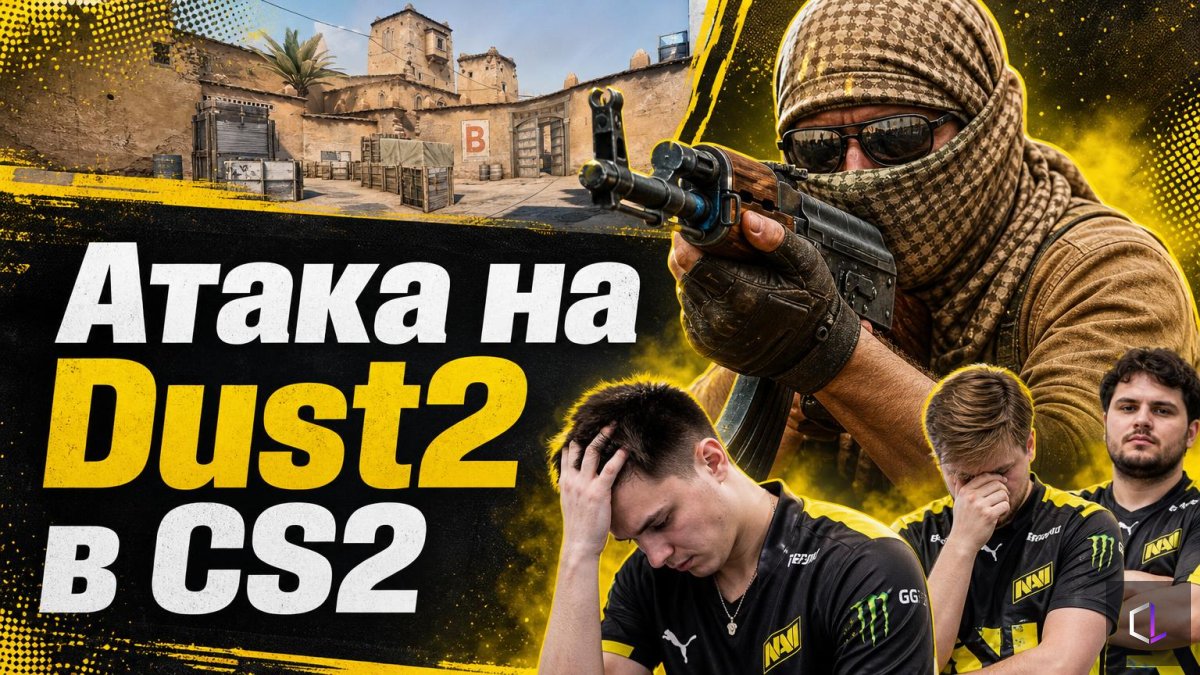
Aurora is a roster built around a Turkish core, which on its way to the final of this same tournament knocked out NAVI. This is a fundamentally different situation compared to two years ago, when a similar Turkish roster reached the final of ESL Pro League Season 20, knocking out Vitality, but lost specifically to NAVI. Now the situation has flipped: Aurora got past NAVI, but couldn't handle Vitality. This is a good example of how quickly the power hierarchy in CS2 shifts — a team that was problem number one two years ago is no longer the main barrier for the top teams today.
ZywOo and a question worth asking more often
ZywOo's statistics deserve a separate discussion. This tournament ranked among the top 8 tournaments of his career in terms of individual rating, and the match itself became already the sixth in his career where he posted a rating of 1.5+. An important detail that's often overlooked: at all eight tournaments on this personal top list, ZywOo ended up becoming champion. In other words, his peak individual performance almost never exists separately from the team result — it either carries the team to the title, or goes hand in hand with it.
For those learning the game and wanting to grow, this is an important lesson: a high personal rating isn't an end in itself — it's an indicator that your decisions are helping the team win rounds at the right moments, not just piling up frags in the stats.
What's behind the number 36 days
Another interesting detail — it took Vitality just 36 days to return to the top 3 of the VRS world ranking. For a team of this level, this isn't a speed record, but rather confirmation that the structure and preparation within the organization work faster than for most competitors. Everyone has slumps — the question is how much time a team needs to fix them. 36 days is a very short recovery cycle for form at the top level.
Why one map stands out from the overall picture
It's also worth paying attention to Inferno, where Vitality lost 11:13 — the only map dropped in the final. In team games, this is a normal and even healthy situation: different maps require different roles, different economies, and different round agreements. A team's ability not to panic after losing a map, but to calmly level out the game on the next one, is a far more telling skill than a flawless clean 3:0 scoreline.
Why this matters for those just starting their CS2 journey
For young players and their parents, breakdowns like this are useful not as entertaining statistics, but as a model of thinking: the result of a single match or tournament is rarely random — behind it lie months of preparation, work on mistakes, and the ability to recover quickly after a setback. This is exactly what we teach at the academy — to look not at the final score, but at what led the team to that score.